
Hair Replacement System: The Complete Guide to Natural – Looking Hair Replacement
By a Senior Hair Restoration Specialist | Medically Reviewed | Hair Replacement System
Losing your hair can feel like losing a part of your identity. But here’s the thing — you don’t have to just accept it. A hair system is one of the most advanced, non-surgical solutions available today, giving you full, natural-looking hair without going under the knife. Whether you’re dealing with male pattern baldness, alopecia, or thinning hair, this guide covers everything you need to know — clearly, honestly, and without the fluff.
What Is a Hair System?
A hair system (also called a hairpiece, toupee, or non-surgical hair replacement) is a custom-made cap fitted with real or synthetic hair, designed to blend seamlessly with your existing hairline.
Modern hair systems are nothing like the thick, obvious toupees of old movies. Today’s units use ultra-thin base materials — some as thin as 0.03mm — that mimic the appearance of a natural scalp. According to the International Society of Hair Restoration Surgery (ISHRS), non-surgical hair replacement has seen a significant rise in demand globally, especially among men aged 18–45.
They’re worn using medical-grade adhesives or tape, allowing a secure, comfortable fit throughout the day.
How Does a Hair System Work?
A hair system sits directly on the scalp, covering areas affected by hair loss. Here’s how the process typically works:
Step 1: Base selection — You choose base material (lace, skin, mono, or hybrid) based on your lifestyle and preferences.
Step 2: Hair matching — The hair color, texture, curl pattern, and density are matched to your natural hair as closely as possible.
Step 3: Customization — The unit is cut, styled, and shaped to match your natural hairline and head contour.
Step 4: Application — The system is attached using bonding adhesive or hair system tape. A professional stylist ensures a seamless blend.
Step 5: Maintenance — Regular cleaning, reapplication (every 2–6 weeks), and occasional re-styling keep the hair system looking fresh and natural.
The process sounds involved, but most wearers get it down to a routine within a month
Types of Hair System Bases — Which One Is Right for You?
The base is the foundation of your hair system. Getting this right makes a huge difference in how natural it looks.
1. Lace Base Hair Systems
Lace bases are ultra-breathable and create the most natural-looking hairline. They’re ideal for people with active lifestyles. The fine mesh allows ventilation and mimics the look of real scalp skin. French lace and Swiss lace are the two most popular varieties — Swiss lace being finer but slightly less durable.
2. Skin (PU) Base Hair Systems
Polyurethane (skin) bases look incredibly realistic up closely. They’re thicker than lace but offer a stronger bond and are easier to maintain. Great for beginners or those who prioritize a secure hold over breathability.
3. Mono Base Hair Systems
Monofilament bases are known for their durability. Each hair strand is individually hand-knotted, giving a natural hair movement. They last longer than lace and are a popular middle-ground option.
4. Hybrid Base Hair Systems
Hybrid systems combine two or more base materials — for example, a lace front with a mono crown. This gives wearers the best of both worlds: a natural hairline plus durability in high-wear areas.
Hair System vs. Hair Transplant — What's the Real Difference?
This is the question nearly every hair loss sufferer eventually asks. Let’s compare them directly.
Feature
Cost
Recovery Time
Permanence
Natural Look
Suitable for
Maintenance
Hair System
Rs.10,000–Rs.40,000 per unit
None
Replaceable every 6–18 months
Very high (with proper fitting)
Any stage of hair loss
Regular cleaning + reattachment
Feature
Rs.50,000–Rs.1,50,000
10–14 days
Permanent
High (results vary)
Moderate to severe loss only
Low after full growth
According to a 2022 report by Statista, the global hair care and restoration market is projected to exceed $13 billion by 2027, with non-surgical hair systems representing one of the fastest-growing segments. More people are choosing hair systems first — often because they’re more affordable, reversible, and accessible than surgery
What Are Hair Systems Made Of — Human Hair vs. Synthetic Hair?
Human Hair Systems
Most premium hair systems use 100% Remy human hair — meaning the cuticles are aligned in the same direction to prevent tangling. Human hair systems can be washed, blow-dried, and styled just like your own hair. They look and feel the most natural.
Source: According to Trophological Society guidelines, Remy hair is considered the gold standard for hair replacement units.
Synthetic Hair Systems
Synthetic systems are more affordable and retain their style even after washing. However, they can't be heat-styled (unless they're heat-resistant), and they typically don't last as long as human hair. They're a good option for temporary use or testing in different styles.
Which should you choose? If you plan to wear your hair system daily and want maximum realism, invest in human hair. For occasional use or experimentation, synthetic works just fine.
How Long Does a Hair System Last?
This depends on the base material, care routine, and how often you wear it.
Lace base: 1–3 months with daily wear
Skin base: 2–4 months
Mono base: 6–12 months
Hybrid base: 3–8 months
With proper care — gentle washing, avoiding excessive heat, using sulfate-free products — some users extend the life of their systems significantly. Most wearers own 2–3 systems and rotate them to reduce wear on any single unit.
How to Take Care of Your Hair System
Good maintenance separates a convincing hair system from an obvious one. Here's what daily and weekly care looks like:
Daily: Gently comb or brush the hair in the direction of growth. Avoid pulling at the base. Use a light serum to maintain moisture.
Weekly: Remove the hair system carefully using adhesive remover (never force it off). Clean the base with mild shampoo and conditioner. Let it air dry completely before reattachment.
Monthly: Inspect the base for wear, thinning, or damage. Schedule a professional reattachment or trim if needed.
Avoid saltwater and chlorinated pools for extended periods — both can break down adhesive bonds and degrade base materials faster.
Who Is a Hair System Right For?
Hair systems work for a wide range of people:
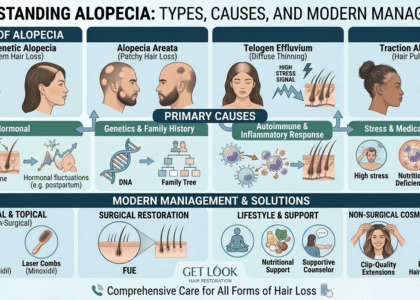
Men with male pattern baldness (androgenetic alopecia): The most common group. Hair systems offer immediate density without waiting for surgical results.
Women with thinning hair: Custom women's toppers and full hair systems address diffuse thinning effectively.
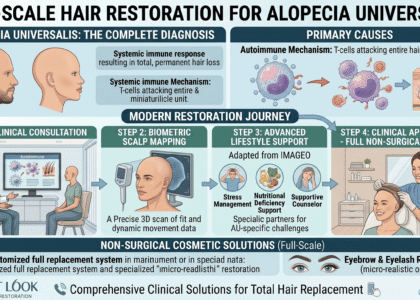
People with alopecia areata: Patchy or complete hair loss from alopecia is one of the most common reasons people seek non-surgical options.
Cancer patients or post-chemotherapy individuals: Hair systems provide natural coverage during the regrowth phase.
Young adults experiencing early hair loss: Many prefer a reversible solution before committing to a transplant.
According to the American Hair Loss Association, approximately 85% of men will have significantly thinning hair by age 50, and more than 40% of hair loss sufferers are women. The demand for accessible, non-surgical solutions like hair systems continues to grow steadily.
How to Find the Right Hair System for You
Choosing a hair system can feel overwhelming with so many options available. Here are key factors to evaluate:
1. Base material — Match it to your lifestyle (active = lace; durability-focused = skin or mono).
2. Hair type — Human hair for daily wear; synthetic for occasional use.
3. Density — Choose a density percentage that matches your remaining natural hair. 90% density is the most popular for natural appearance.
4. Color and texture match — Work with a professional colorist or use a hair sample service to get the closest match.
5. Budget — Premium custom systems run Rs.10,000–Rs.55,000, while stock systems start around Rs.4000–Rs.6000. Quality matters here — a poor fit will look unnatural no matter how expensive the hair is.
Working with a certified hair replacement specialist — particularly one affiliated with the American Board of Hair Restoration Surgery (ABHRS) or a trained trichologist — ensures you get expert guidance rather than guesswork.
Common Misconceptions About Hair Systems
"They look fake." — Not anymore. With modern lace fronts and proper fitting, most people genuinely cannot tell the difference.
"They fall off easily." — Medical-grade adhesive and tape hold hair systems firmly through sweat, exercise, and even swimming (short-term).
"Only older men wear them." — Hair systems are increasingly popular among younger men, athletes, and performers. Many celebrities and public figures quietly wear them.
"They damage your scalp." — When attached and removed properly, hair systems don't damage the scalp. Using a professional remover and giving your scalp breathing time between sessions keeps it healthy.
Final Thoughts: Is a Hair System Worth It?
A well-fitted hair system, maintained correctly, can genuinely transform how you look and feel — without surgery, without long recovery periods, and without spending a fortune. It's one of those solutions that, when done right, simply works.
The key is investing in quality materials, working with a knowledgeable specialist, and committing to a maintenance routine. Hair systems aren't a shortcut — they're a legitimate, effective approach to hair restoration that millions of people around the world rely on every single day.
If you're considering a hair system, start with a consultation from a licensed hair replacement professional. Ask to see real client results, request a hair sample, and take your time choosing the base and hair type that fits your life.
Your hair tells part of your story. A hair system just makes sure you stay the author