

Alopecia

Alopecia Hair Fixing Hair Loss

Alopecia Traction: Causes, Prevention, and Restoration Tips

Traction alopecia is typically the result of hairstyles that pull the hair tight, such as very tight ponytails, braids, cornrows, or heavy hair extensions worn for extended periods. This constant pulling creates inflammation in the follicle, which over time can weaken the hair and lead to permanent thinning, particularly around the hairline and temples.
Alopecia Hair Fixing Hair Loss

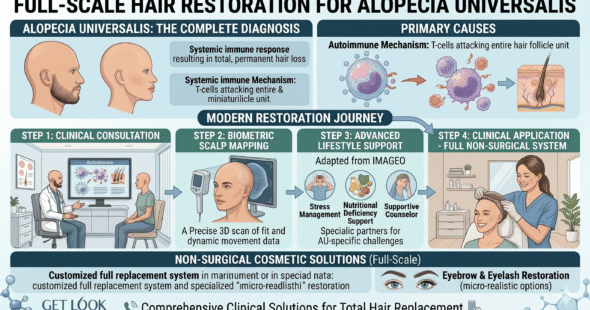
Alopecia Universalis: Symptoms and Non-Surgical Solutions

Alopecia universalis is the most advanced and extensive form of alopecia areata, characterized by the complete loss of hair across the entire body, including the scalp, eyebrows, eyelashes, and body hair. As an autoimmune condition, it represents a significant challenge for those affected. However, modern advancements in non-surgical hair restoration have created powerful, highly realistic options to help individuals regain their look and confidence.

Alopecia Hair Fixing Hair Loss

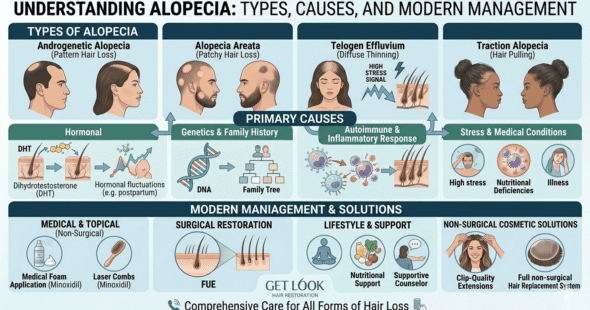
Understanding what is Alopecia: Types, Causes, and Modern Management

Alopecia is the medical term for hair loss, a condition that impacts millions of individuals globally. While often misunderstood as a simple cosmetic issue, alopecia is a complex clinical condition with various classifications, each requiring a tailored approach. Whether it presents as localized thinning or complete hair loss, the emotional impact is significant, making it vital to understand the condition and the modern restoration options available.