
Alopecia is far more than a physical condition; it is a profound journey that intersects deeply with alopecia and mental health, self-image, and social identity. For many, the gradual thinning or sudden loss of hair is accompanied by significant psychological weight. It is not merely a matter of vanity; hair acts as a core component of one’s visual self, and its loss can trigger feelings of isolation, anxiety, and a diminished sense of self-worth. Understanding this emotional landscape is the first, and most crucial, step in managing the condition.
The Psychological Weight of Hair Loss | Alopecia and Mental Health
The psychological impact of alopecia is often multifaceted. In a society that frequently equates a full head of hair with youth, health, and vitality, individuals experiencing hair loss can feel a sense of loss—not just of hair, but of their perceived “normalcy.” This can lead to withdrawal from social situations, reduced performance in professional environments, and even symptoms of depression. The stress of managing the condition can, ironically, exacerbate hair loss in types like telogen effluvium, creating a challenging feedback loop.
Restoring More Than Just Hair | Alopecia and Mental Health
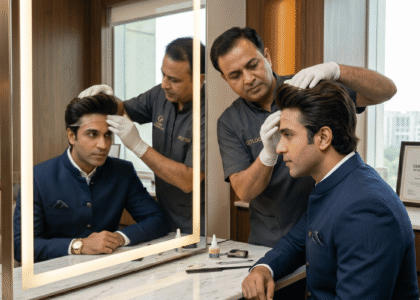
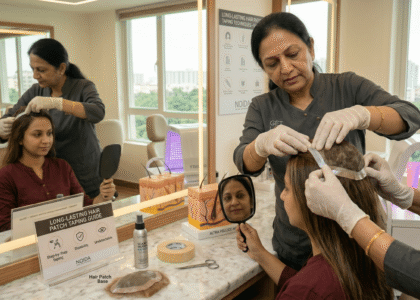
This is where professional intervention becomes a mental health strategy. Non-surgical hair restoration is not just a cosmetic service; it is a tool for emotional recovery. When an individual walks into a clinic like Get Look Hair Fixing Clinic and leaves with an immediate, natural-looking restoration, the change in their demeanor is often instantaneous. This “confidence boost” is clinically significant. It allows the individual to stop focusing on their hair loss and start focusing on their life again.
By removing the constant visual reminder of alopecia, restoration provides the mental space necessary for individuals to feel like themselves again. It restores the ability to engage in social activities, professional networking, and personal milestones without the underlying anxiety of being “found out” or feeling self-conscious.
The Power of Professional Support | Alopecia and Mental Health
At Get Look Hair Fixing Clinic, we understand that our role extends beyond the technical application of a hair patch. Our specialists are trained to provide a supportive, non-judgmental environment. The process of consultation and fitting is a private experience that validates the individual’s concerns. When a patient feels heard, understood, and effectively restored, their psychological wellbeing often improves dramatically.
We encourage those dealing with alopecia to remember that you are not alone and that your aesthetic needs are a legitimate part of your overall healthcare journey. Restoring your hair is a powerful act of self-care. It is a proactive step that moves you from a state of passive anxiety to active confidence management.
FAQ's - Alopecia and Mental Health
Yes, it is entirely normal. Hair loss is a significant change, and the emotional response you are feeling is shared by millions of others.
While hair restoration provides an immediate aesthetic boost, we always recommend speaking with a mental health professional if your hair loss is causing severe distress or anxiety.